
Colic: More Than Just "Stomach Ache" in Horses
Dec 09, 2025The emergency phone call to the vet that every horse owner dreads often starts the same way: “I think my horse has colic”.
Recently I’ve noticed an increase in these emergency calls, and I believe the common thread isn’t coincidence – it’s the environment and the way horses are being cared for. Across Australia, drought conditions, hay shortages and seasonal stresses are creating a dangerous combination for our horses’ digestive systems.
Colic: More Than Just "Stomach Ache"
Colic isn't a single condition - it's an umbrella term describing abdominal pain that can stem from over 70 different conditions affecting the horse's 100-foot-long digestive tract. Studies show that colic affects approximately 10.6% of horses each year in Australia, and it ranks as the #1 cause of premature death (needing to be euthanised before old age causes) in horses worldwide. Making colic one of the most common and important health issues horse owners and equine veterinarians face.
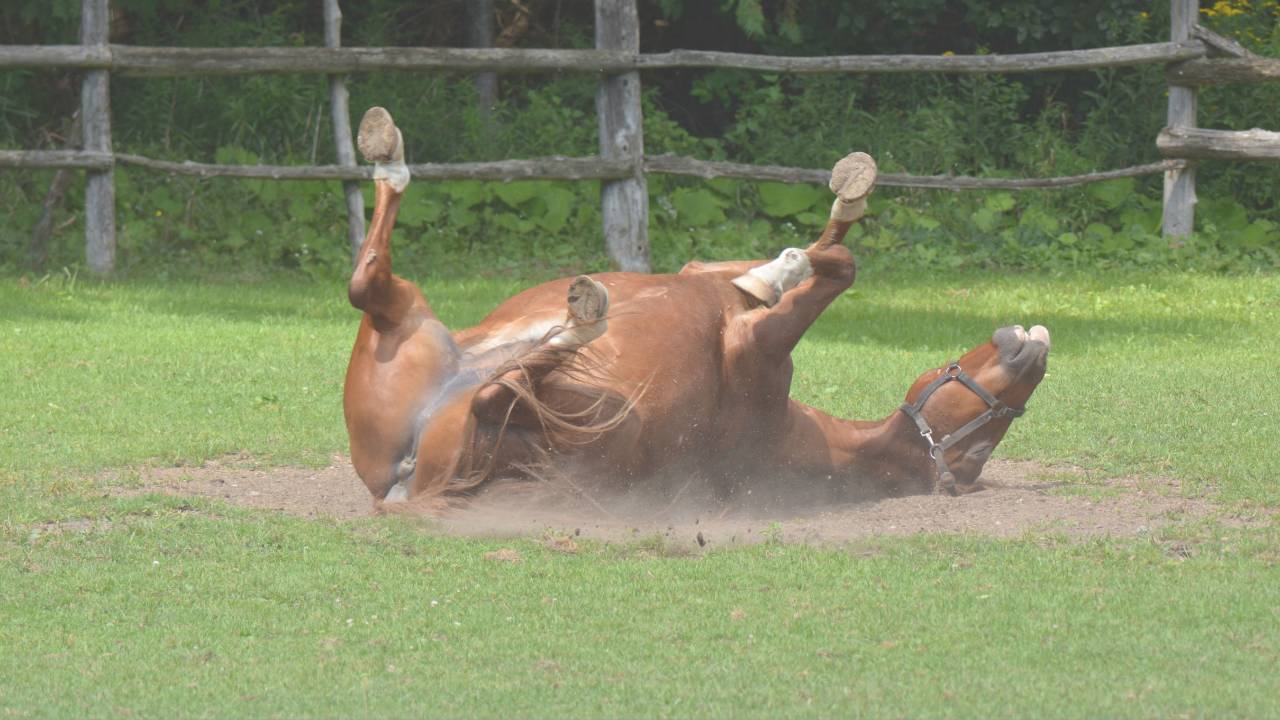
While the outward signs might look similar - rolling, pawing, lying down and a lack of interest in food - what's actually happening inside the horse’s abdomen can vary significantly.
Broadly speaking, colic can be separated into two main categories: medical or surgical colic, although there can be overlap between them. For instance, some impaction or displacement colics may require surgery if they don't respond to medical therapy.
Medical colic includes spasmodic colic (painful contractions of the intestinal muscle), simple impactions (blockages in the small or large intestine, especially the pelvic flexure), gas/tympanic colic (excessive gas buildup), and inflammatory conditions like colitis (often resulting in diarrhoea). These cases often respond well to medical management with analgesia (pain relief), antispasmodics, oral fluid therapy and sometimes laxatives.
Surgical colic encompasses both non-strangulating obstructions (like severe displacements or large impactions that won't resolve medically) and strangulating obstructions (where blood supply to the intestine is compromised). Strangulating colics - including conditions like lipomas in older horses, intestinal twists, or entrapments - require immediate surgical intervention.
Fortunately, approximately 85-90% of colic cases are 'simple' medical colics, which can be successfully treated at home. This means the odds are in favour of a positive outcome - reassuring news for horse owners. But it comes with an important caveat: even a mild-looking colic case should be taken seriously and assessed by a vet, because looks can be deceiving and early treatment is key to a good outcome.
The remaining 10-15% of cases are severe enough to need hospitalisation for intensive medical care beyond what can be done at home, or colic surgery (2-4% of cases). Despite the majority of horses never needing to be hospitalised for colic, vets remain vigilant in identifying the ~1 in 10 that do. Quick action matters as early referral and treatment/surgery can significantly improve the horse’s chance of survival.
Sadly, there are cases of colic that are so severe or advanced that the horse cannot be saved despite the best efforts of the owner and vet. If a horse’s intestines have ruptured, or if a strangulating colic has caused irreversible intestinal damage before surgery, euthanasia is the most humane option to prevent further suffering. In other instances, a horse might be a surgical candidate but the owner is unable to pursue surgery (often due to financial, logistical, or prognosis reasons) - in such situations, humane euthanasia may be chosen.
Environmental Triggers: Why We're Seeing More Colic
Currently in Victoria, New South Wales and South Australia, we're facing what can only be described as a perfect storm of environmental factors that create ideal conditions for colic. The severe drought has left pastures overgrazed and stressed, and is severely impacting hay production and increasing demand.
Many horse owners have been forced to change hay suppliers multiple times, switching between different types, qualities, and even species of forage. Each change in hay - whether it's moving from meadow hay to lucerne, or simply getting a different batch from a new supplier - can double a horse’s risk of colic for two weeks.
Seasonal transitions add another layer of stress. As we progress deeper into winter, horses naturally reduce their water intake, and the combination of an increase in dry forage (hay) and decreased hydration creates perfect conditions for impaction colic. When you add in the stress of weather changes, reduced exercise due to muddy conditions following flash storms, and more time spent confined to smaller areas (e.g. stables), it's no wonder we see an increase in colic cases.
These environmental pressures particularly affect the types of colic we're seeing. Feed changes and stress contribute to spasmodic colic, while dehydration and poor-quality roughage increase impaction risks. The increased sand and dirt consumption from overgrazed paddocks can lead to sand colic, and the general stress on the digestive system makes horses more susceptible to displacements and forms of inflammatory digestive upset like colitis.
Tips To Reduce Your Horse’s Colic Risk
Prevention must be our first line of defence. This means:
- Managing feed transitions carefully, even when we're forced to change suppliers frequently. When new hay arrives, introduce it gradually over 10-14 days, mixing increasing amounts with the old hay.
- Consider soaking or steaming hay if it’s particularly dry or dusty.
- Ensure constant access to clean water and consider adding salt to your horse’s feed to encourage drinking - 2 tablespoons/day is a good baseline for an average, 500kg horse.
- Monitor your horse's manure production daily - a sudden drop in number or a change in consistency, such as unusually dry or loose manure can be early warning signs of a digestive issue.
- Try to avoid allowing horses to graze paddocks down to bare ground where they'll consume sand and dirt, and ensure hay and feed is given off the ground to reduce the likelihood of accidental sand and dirt ingestion.
- If bare paddocks are unavoidable, you can feed psyllium husk for five consecutive days each month, as psyllium helps move sand through the digest tract and out the body.
- Maintain consistent exercise routines as much as possible, as this promotes healthy gut motility, improves circulation to the digestive tract and encourages water intake.
These small, proactive habits make a big difference.
Prevention Isn’t Always Enough
Even the best kept horses still get colic - blame they’re anatomical design flaws! That’s why I strongly believe every horse owner needs a colic emergency plan. This means knowing what signs to look for (especially the subtle ones like decreased manure output and reduction in appetite) and feeling confident taking your horse’s eight vital signs for an accurate assessment prior to calling the vet and monitoring post-treatment.
Importantly, think through the difficult decisions now, while you can make them rationally rather than in the midst of a crisis and heightened emotions:
- If your horse needed more intensive treatment at a referral hospital, would you take them and how would you transport them there?
- Under what circumstances would you consider colic surgery?
- What factors would influence your decisions - your horse's age, the type of colic, their quality of life, your financial situation?
- What are your financial boundaries for intensive medical treatment, whether that's repeated vet visits for a challenging case at home or referral to a specialist hospital?
These aren't easy conversations, but having them ahead of time means you're prepared to act in your horse's best interests when their life is on the line and you’re under pressure.
Another key piece of advice: build a relationship with your local equine veterinarian before you need them. You’ll want to know who you can call when, so you can get prompt veterinary care during a colic emergency.
During a colic episode, clear communication about your horse's symptoms, vital signs, and any recent changes in management can help your vet provide the best possible advice over the phone, which can be invaluable if they are unable to attend to your horse immediately.
Final Thoughts
We can’t always control environmental challenges, such as drought, hay shortages, and seasonal weather changes. But with the right knowledge, preparation, and a commitment to putting our horses' health first, it is possible to significantly reduce their risk of colic. Take the time now to learn about colic prevention strategies, develop your emergency plan, and have those difficult conversations about what you would want for your horse in various scenarios. Our horses give us so much - in return, they deserve an owner who is ready to advocate for their best interests.
About Dr. Lizzie McCready BVetMed(Hons) CVA
As an experienced equine vet and passionate educator, Dr Lizzie McCready is on a mission to empower horse owners with the skills, knowledge and confidence to give their horse the care they deserve.
Don't miss a beat!
New moves, motivation, and classes delivered to your inbox.
We hate SPAM. We will never sell your information, for any reason.
